
What is the Research Need?
A Growing Threat
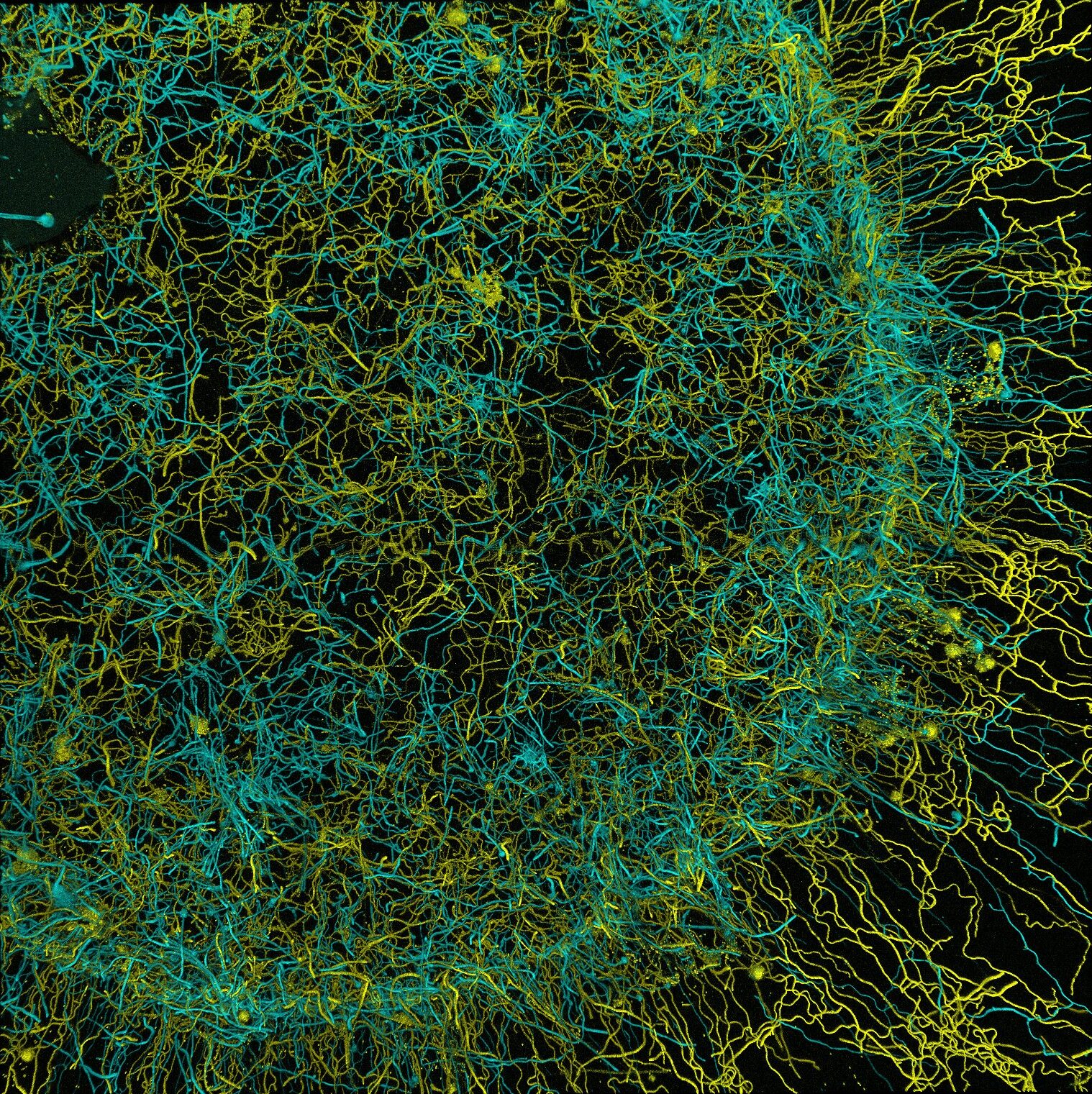
Fungal infections are a growing threat to our most vulnerable populations, compromising the outcomes of cancer treatments, stem cell and organ transplants, chronic lung diseases and many other medical interventions. An estimated 6 million people develop a life-threatening fungal disease each year, resulting in more than 3 million deaths.1
Despite this clear threat, only four classes of systemic antifungal medicines are available for clinical use. These treatments often cause adverse effects, and few new alternatives are currently in development.2
As such, the WHO identifies antifungal resistance as one of the most underestimated and neglected threats to global health. Its updated Global Action Plan on antimicrobial resistance recognises antifungal resistance as an integral part of the wider AMR challenge and calls for the development of novel agents to be strictly reserved for use in humans.2
Your Training Pathway
Over the next five years, the programme will take on three doctors, pharmacists, or clinical scientists each year. If you join us, we will support you from your first steps in research through to an independent clinical academic career.

Everyone will have the opportunity to undertake a Postgraduate Certificate in Medical Mycology. Some fellows will additionally begin with an Academic Clinical Fellowship (ACF) or pre-doctoral fellowship. This gives you a grounding in the field and the time to shape your project before starting your PhD.
Undertake your PhD in one of our five translational research themes, supported by a structured training programme:
• Annual training workshops
• Quarterly seminars
• End-of-year celebrations to mark your progress and bring the cohort together
• Career development training sessions
Apply for a Clinical Lectureship, building on your doctoral training to develop an independent research career.
Wellcome Bridging Funding: Up to six months of Wellcome bridging funding is available to support the transition into or out of your PhD.
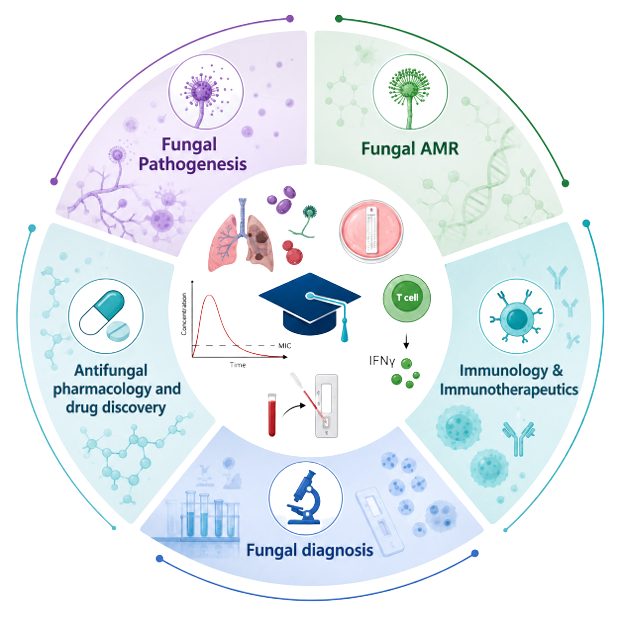
You will have the opportunity to explore one of 5 translational research themes:
Fungal AMR: Investigating the mechanisms by which fungi develop resistance to antifungal treatments and identifying strategies to overcome drug resistance
Immunology & Immunotherapeutics: Exploring the host immune response to fungal infections and developing immune-based approaches to harness or regulate the host immune system against infection
Fungal diagnostics: Developing diagnostic tools for the rapid, accurate detection and identification of fungal pathogens and infections
Antifungal pharmacology and drug discovery: Investigating how antifungal drugs work in the body and discovering new compounds and therapeutic strategies to target fungi
Fungal pathogenesis: Understanding the strategies fungi use to interact with their hosts, evade immune defences, and cause disease
1. World Health Organization (WHO) (2026) New WHO report outlines critical steps to confront fungal disease and antifungal resistance. 30 June. Available at: https://www.who.int/news/item/30-06-2026-new-who-report-outlines-critical-steps-to-confront-fungal-disease-and-antifungal-resistance (Accessed: 13 October 2026).
2. World Health Organization (WHO) (2022) WHO fungal priority pathogens list to guide research, development and public health action. Geneva: World Health Organization. Available at: https://www.who.int/publications/i/item/9789240060241 (Accessed: 13 October 2026).