
Supervisors
Supervisors
You will be supervised by two academics from different universities, giving you access to complementary expertise, research environments and professional networks. This joint approach broadens your scientific knowledge, exposes you to different ways of working, and strengthens your skills as an independent researcher.
Our supervisors are internationally renowned in their fields and bring a wealth of experience to your training.

Professor Tihana Bicanic
AMR
Antifungal Drugs
Tihana Bicanic is a Professor in Infectious Diseases and Mycology at City St. George’s University of London. Her research experience includes clinical trials in cryptococcal meningitis in Africa, studies linking Cryptococcal virulence phenotype and genomics to clinical outcomes; incidence and mechanisms of aspergillosis complicating severe influenza and COVID19 infection (AspiFlu).
Her current research focusses on evolution, impact and mitigation of antifungal resistance in Candida. She is Chief Investigator of a multisite study of Candida infection and resistance in Intensive Care patients (CandiRes)- which offers excellent PhD project opportunities in antifungal PK/PD (with Dagan Lonsdale), Candida resistance mechanisms and mitigation. She is also a co-Investigator on the COMBAT Candida phase III clinical trial (South Africa).
Email: tbicanic@sgul.ac.uk
Professor Tom Harrison
Antifungal Drugs
Immunotherapy
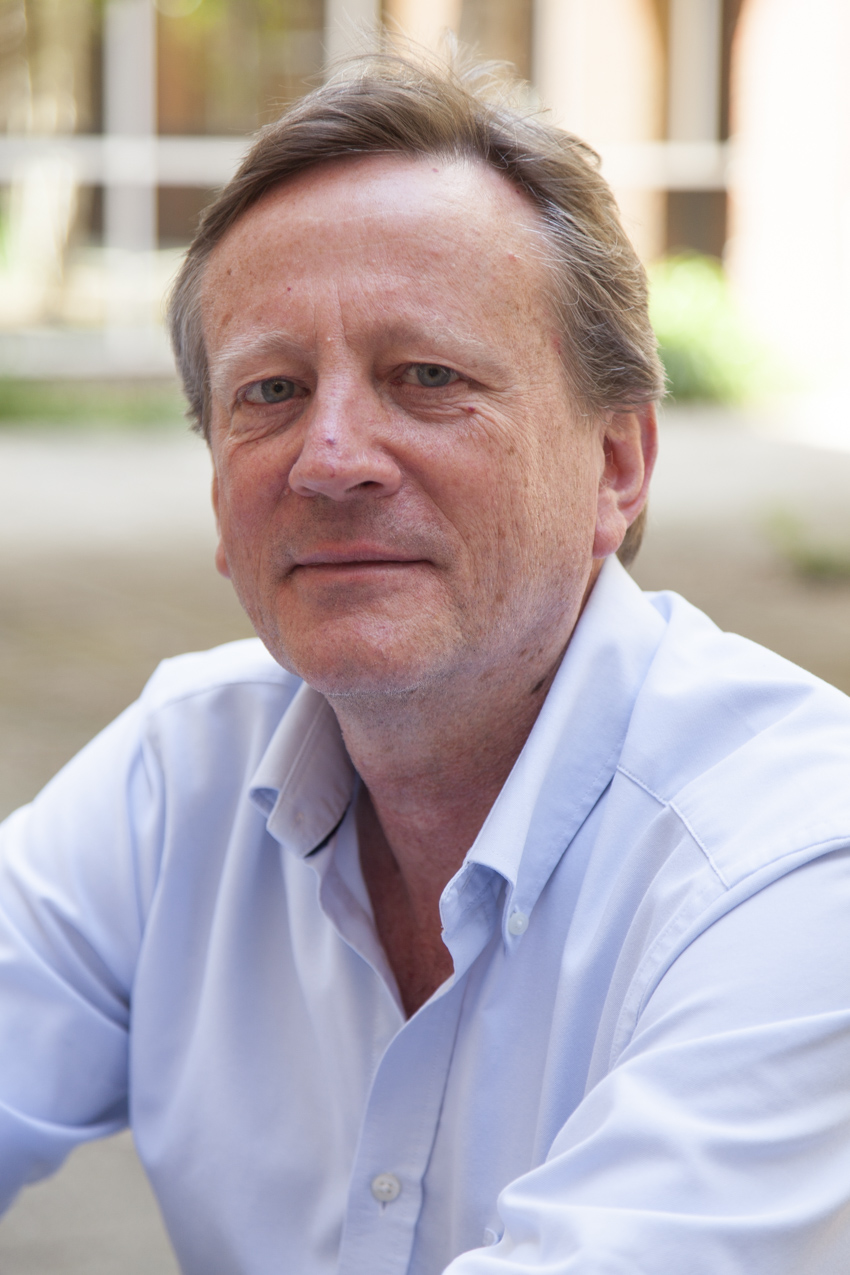
Tom Harrison is Professor of Infectious Diseases and Medicine at City St George’s, University of London, and an Honorary Consultant at St George’s University Hospitals NHS Foundation Trust. He has extensive experience leading international clinical trials in cryptococcal meningitis (and tuberculosis). As Chief Investigator of the ACTA trial, he helped establish shorter, more effective antifungal regimens for cryptococcal meningitis that informed World Health Organization (WHO) treatment guidelines and reduced mortality. He also co-led the AMBITION-CM trial, supporting the adoption of single-dose liposomal amphotericin B therapy for cryptococcal meningitis. He is also a co-Investigator on the COMBAT Candida phase III clinical trial (South Africa) and a newly funded trial of interferon gamma immunotherapy in cryptococcal meningitis.
Email: tharriso@sgul.ac.uk

Dr Dagan Lonsdale
Antifungal Drugs
Dagan Lonsdale is a Reader in clinical pharmacology and intensive care medicine. His research focuses on dose optimisation in challenging to study populations (neonates, paediatrics, critical illness). He has expertise in non-linear mixed-effects modelling (pharmacometrics). Key projects include investigating antimicrobial kinetics in critically ill patients, antimicrobial exposure-response relationships (including resistance emergence) and drug penetration to the central nervous system and abdomen. He works closely with Professors Bicanic (City St Georges’) and Standing (UCL). They have an ongoing project on anti-fungal exposure-response relationships, with a focus on the abdominal compartment and would welcome expressions of interest for a candidate exploring a project in this space.
Email: dlonsdal@sgul.ac.uk

Dr Síle Molloy
Antifungal Drugs
Síle Molloy is Reader in Global Health Epidemiology at City St George’s, University of London. She co-leads the EFFECT trial (South Africa, Tanzania), testing fluconazole plus flucytosine to prevent cryptococcal meningitis in people with advanced HIV, alongside the subEFFECT cohort on subclinical disease. Dr Molloy is also co-Investigator on the upcoming COMBAT candida phase III clinical trial (South Africa). Her portfolio spans phase II/III trials (AMBITION-cm, ACTA) including a slow-release flucytosine formulation programme, and implementation work (IMPRINT, DREAMM, SHARE-cm) improving access to diagnostics and essential medicines in Africa.
Email: smolloy@sgul.ac.uk

Dr Rae Wake
AMR
Antifungal Drugs
Rae Wake is a Consultant and Senior lecturer in Infection at City St George’s and University of Sheffield and deputy head of the WITS Mycology Division in Johannesburg. She leads research aiming to develop new approaches to surveillance, diagnostics and treatment of invasive fungal infections, particularly in the context of resource limited settings and HIV. Her research on fAMR Candida infections and fungal-related illness among hospitalised people with advanced HIV disease in Southern Africa provides opportunities to study host-pathogen interactions, mechanisms of virulence, commensal persistence and resistance emergence, and diagnostic/treatment innovation. She is a Principal Investigator on the COMBAT Candida phase III clinical trial (South Africa).
Email: rwake@sgul.ac.uk

Dr Elizabeth Ballou
Pathogenesis
I am a fungal cell biologist and geneticist specialising in Cryptococcus neoformans and Mucorales. My lab studies the changeable ways that fungal pathogens respond to their environments, and how we can use this information to improve health outcomes. We investigate the molecular mechanisms underpinning fungal cell shape, revealing how environmental and intrinsic signals drive morphology changes over time. Key questions include how different cells within a population integrate information differently to generate population heterogeneity. I also lead the Mycology Bioimaging Initiative, a Wellcome funded consortium of Mycoscopists working to drive genetic and imaging technology development for the global mycology community.
Email: e.ballou@exeter.ac.uk
Professor Elaine Bignell
AMR
Pathogenesis
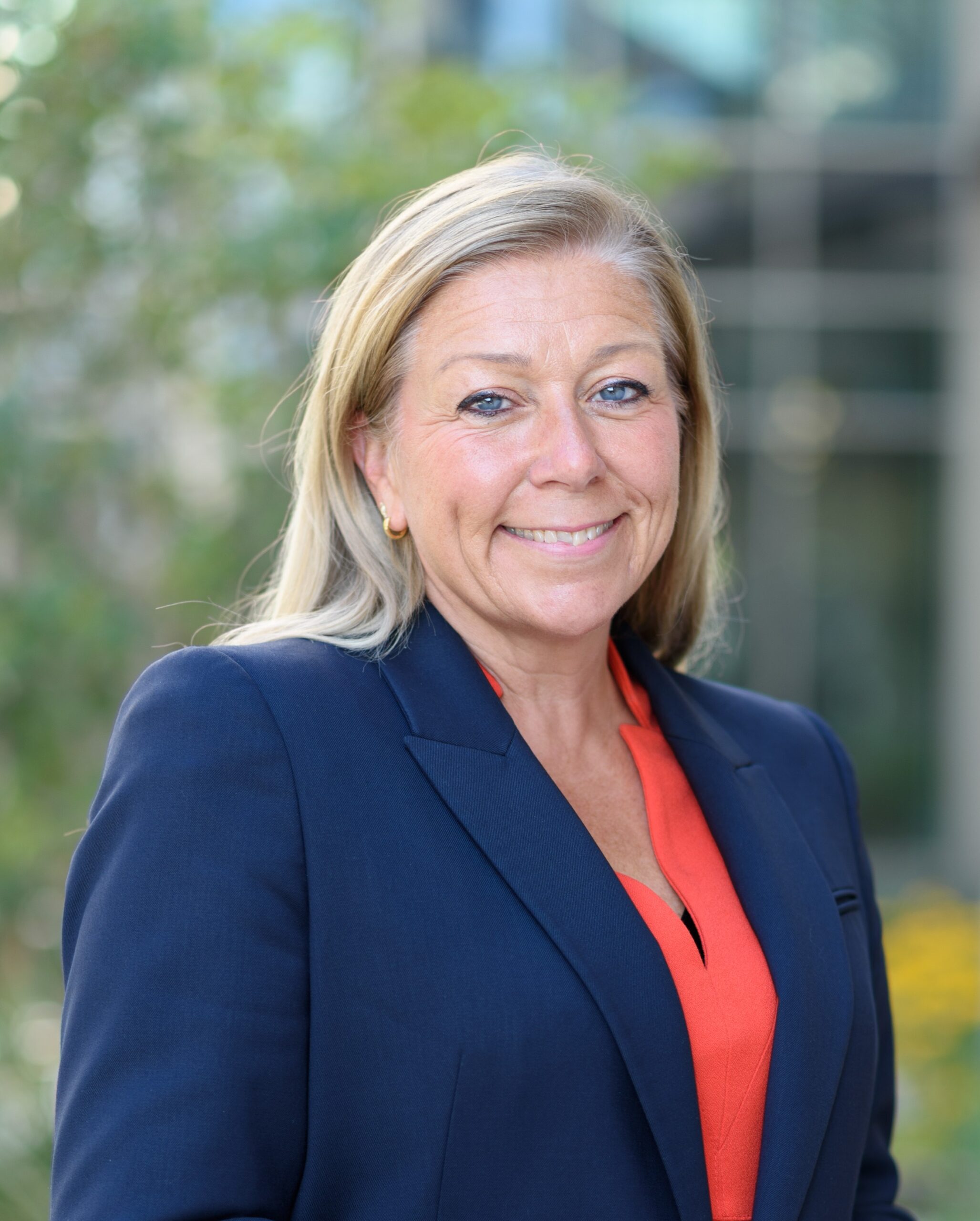
Professor Bignell studies the mechanistic basis of challenging, but poorly understood, lung infections caused by moulds. She was the first to prove that fungal lung pathogens rely upon a conserved pH signalling mechanism and defined the critical molecular components underpinning this. Her work on virulence of the major pathogen, Aspergillus fumigatus, revealed critical roles for iron acquisition, alkaline tolerance, amino acid biosynthesis, and calcium signalling in disease and has been using these insights more recently to inform development of novel drugs. Professor Bignell is currently Co-Director (Research) for the MRC Centre for Medical Mycology (University of Exeter) and a Director of its LATAM Unit (University of Sao Paulo), Fellow of the American Academy of Microbiology and President of the British Mycological Society.
Email: e.bignell@exeter.ac.uk
Professor Andy Borman
AMR
Diagnostics
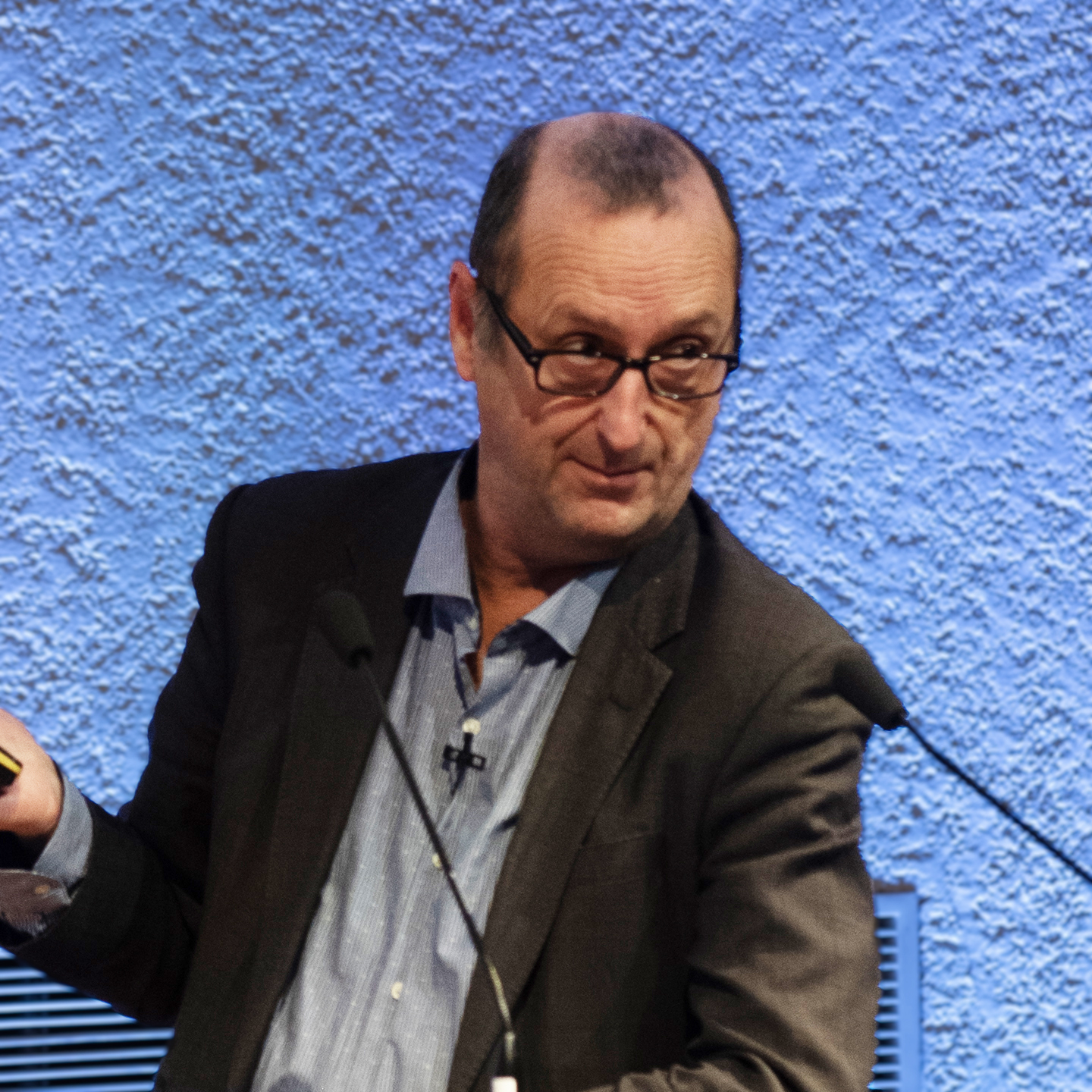
Professor Andy Borman is the head of UKHSA’s National Mycology Reference Laboratory which he joined in 2003 and also Honorary Professor of Medical Mycology at University of Exeter, UK. His research interests include the epidemiology of emerging fungal pathogens and neglected tropical diseases caused by filamentous fungi, the diagnosis and management of fungal infections, the molecular and proteomic identification of pathogenic fungi, fungi associated with cystic fibrosis, and fungal taxonomy, phylogenetics and nomenclature. Andy has published over 200 peer-reviewed papers and book chapters. He serves as a reviewer for a wide range of scientific journals and is a current editor for Medical Mycology and Journal of Fungi. He is a fellow of the ECMM and a member of BSMM and several ISHAM working groups.
Email: andy.borman@nbt.nhs.uk
Professor Gordon Brown
Immunology
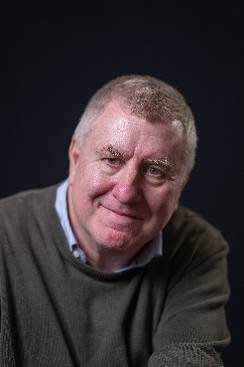
Gordon Brown completed a Ph.D at the University of Cape Town and following Wellcome Trust Fellowships at the University of Oxford and then at the University of Cape Town, he moved in 2009 to the University of Aberdeen as a Professor of Immunology. In 2019 he relocated to the University of Exeter, where he is Director of the MRC Centre for Medical Mycology, Director of the CMM Africa Unit, based at the University of Cape Town and co-Director of the GAMRF funded FAILSAFE programme. His primary research interests are C-type lectin receptors and their role in homeostasis and immunity, with a particular focus on antifungal immunity.
Email: Gordon.brown@exeter.ac.uk
Dr Peter Cook
Immunology
We all inhale fungal spores every day, yet only some people develop damaging airway inflammation — an underappreciated contributor to chronic lung diseases such as asthma. Peter Cook’s group at the MRC Centre for Medical Mycology (Exeter) determines which immune cells first encounter spores in the lung, what that encounter does to them, and what it is about the spore that triggers it. The aim is to identify new diagnostic and therapeutic targets. Recent work has shown that sentinel immune cells in the lung, called dendritic cells, initiate fungal allergic inflammation only after encountering a precise spore growth stage.
The group pairs murine models with patient sampling across sputum, blood and bronchoscopy, applying single-cell and imaging approaches across both host and fungus. Projects range from fungal biology, through mechanistic immunology in murine models, to patient-focused studies, and can be shaped around a student’s own interests.
Email: p.c.cook@exeter.ac.uk
Dr Hugh Gifford
AMR
Pathogenesis
Research interests: critical care, sepsis, pneumonia, severe and complex infection, respiratory infection, invasive fungal disease, host-pathogen infections, (meta-)genomics, (meta-)transcriptomics, epidemiology, evolution, global health, justice, mechanistic biology, clinical trials, observational studies, bioinformatics
Background: NIHR Clinical Lecturer and honorary ST8 specialty trainee in Intensive Care, Respiratory & Internal Medicine (MRCP, DTM&H, FCICM) with research training in fungal pathobiology & immunology (MRes, PhD), medical science (BA Hons MA) and humanities (MLitt). I have previously focused on Candida auris through understanding the pathogen transcriptome driving host responses in an experimental model, uncovering mechanisms of drug resistance emergence through genomic innovation, using Bayesian phylogenomics for temporal outbreak analysis, and unveiling WHO priority pathogens in emerging environments such as the Great Pacific Garbage Patch. I want to support trainees to address the massive global health inequalities through improving critical care of those suffering from severe infections.
Email: h.gifford@exeter.ac.uk
Professor Neil Andrew Robert Gow FRS
AMR
Pathogenesis
Neil Gow is Professor of Microbiology and Medical Mycology at the University of Exeter and works in the MRC Centre for Medical Mycology – Europe’s largest bespoke centre for medical mycology research. His research group focuses mainly on the structure and function of the cell walls of Candida and other pathogenic fungal species, which are important targets for antifungal drugs and recognition by the human immune system. He also works on the mode of action of antifungal drugs and mechanisms and mitigation of antifungal drug resistance (fAMR). He is the current European Confederation of Medical Mycology (ECMM).
Email: n.gow@exeter.ac.uk

Professor Bill Horsnell
Immunology
The Horsnell group’s research explores how immune responses to one pathogen influence host defence against another, and extend this to how maternal immunity shapes offspring susceptibility to infection. At our teams sites at Exeter and Cape Town our work now spans helminths, bacteria, viruses, fungi and allergic disease, with a strong focus on mucosal immunity and co‑infection biology. We investigate mechanisms including eosinophil‑driven modulation of viral and fungal pathology to the role of maternal B-cells in offspring immunity. Much of our work is our has been translated into human studies.
Email: w.horsnell@exeter.ac.uk

Dr Liliane Mukaremera
Pathogenesis
Dr Liliane Mukaremera is a Senior Lecturer at the University of Exeter and a medical mycologist investigating how fungal pathogens cause disease in humans. Her research focuses on Cryptococcus neoformans, a major cause of life-threatening meningitis, and how fungal cells adapt during infection and evade host immunity. She combines molecular microbiology, cell biology and host–pathogen approaches to understand fungal pathogenesis and identify opportunities for improved diagnosis and treatment. Her research has a strong global-health focus, with collaborations in Sub-Saharan Africa. She is passionate about mentoring the next generation of scientists and supporting PhD students to become independent researchers.
Email: l.mukaremera@exeter.ac.uk

Dr Jane Usher
AMR
Pathogenesis
Dr Jane Usher is a Senior Lecturer in Medical Mycology at the MRC Centre for Medical Mycology, University of Exeter. Her research focuses on antifungal drug resistance in Candida species (Candida glabrata and Candida auris), particularly the genetic mechanisms underlying resistance and collateral sensitivity. She combines fungal genetics, genomics, experimental evolution, high-throughput screening and bioinformatics to identify vulnerabilities that can inform new drug combinations and treatment strategies. Her work aims to improve antifungal therapy and support antimicrobial stewardship.
Email: j.usher@exeter.ac.uk

Professor Adilia Warris
Immunology
Antifungal Drugs
Professor Adilia Warris is a paediatric infectious diseases specialist and a co-director of the MRC Centre for Medical Mycology. Her research interest focusses on fungal infections in children, host-fungus interactions in special patient populations (cystic fibrosis, primary immunodeficiencies), antifungal resistance and antifungal stewardship. She has trained several clinical fellows in paediatric infectious diseases and medical mycology and is involved in numerous training activities focussing on medical mycology.
Email: a.warris@exeter.ac.uk
Professor Darius Armstrong-James
AMR
Pathogenesis
Immunology
Darius Armstrong-James is Professor of Infectious Diseases and Medical Mycology in the Department of Microbiology at Imperial College London, and honorary consultant physician in infectious diseases and medical mycology at Imperial College Healthcare and the Royal Brompton and Harefield Hospitals. He leads the Imperial College Network of Excellence in Fungal Science, the UKRI Fungal One Health and Antimicrobial Resistance Network, the UKRI South East Asia DAR-SEA Research Network, and the Fleming Initiative GSK Grand Challenge in Antifungal Drug Discovery and AI. His clinically-driven translational research focuses on host-fungal pathogen interactions and antimicrobial resistance in the mould pathogen Aspergillus fumigatus.
Email: d.armstrong@imperial.ac.uk
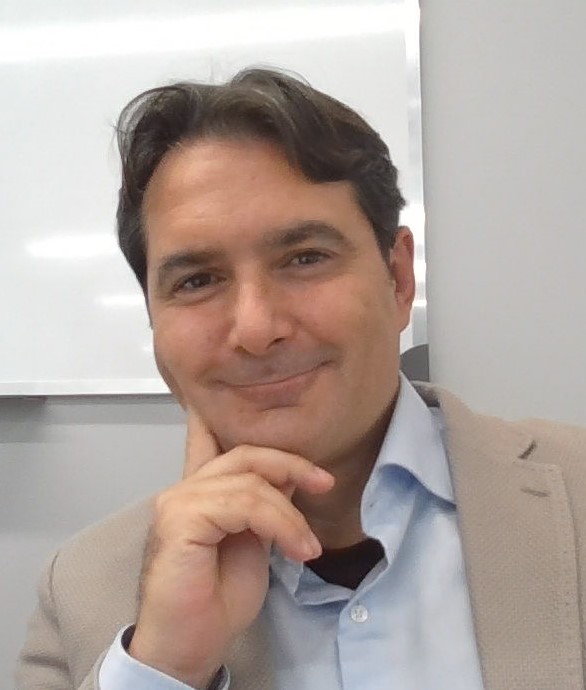
Dr Pedro Ballester
AMR
Antifungal Drugs
Pedro Ballester is a Royal Society Wolfson Fellow and Associate Professor at Imperial College London. He completed an MSc in Information Processing and Neural Networks at King’s College London and a PhD in geophysical data inference and mining at Imperial, followed by fellowships at Oxford, Cambridge and the EMBL-European Bioinformatics Institute, and an Assistant Professorship at INSERM in France before rejoining Imperial in 2022. His research develops novel computational methods for drug discovery, with particular interest in AI-guided drug repositioning to tackle antimicrobial resistance in fungal disease, building on his recent work addressing antimicrobial resistance in other infectious diseases.
Email: p.ballester@imperial.ac.uk
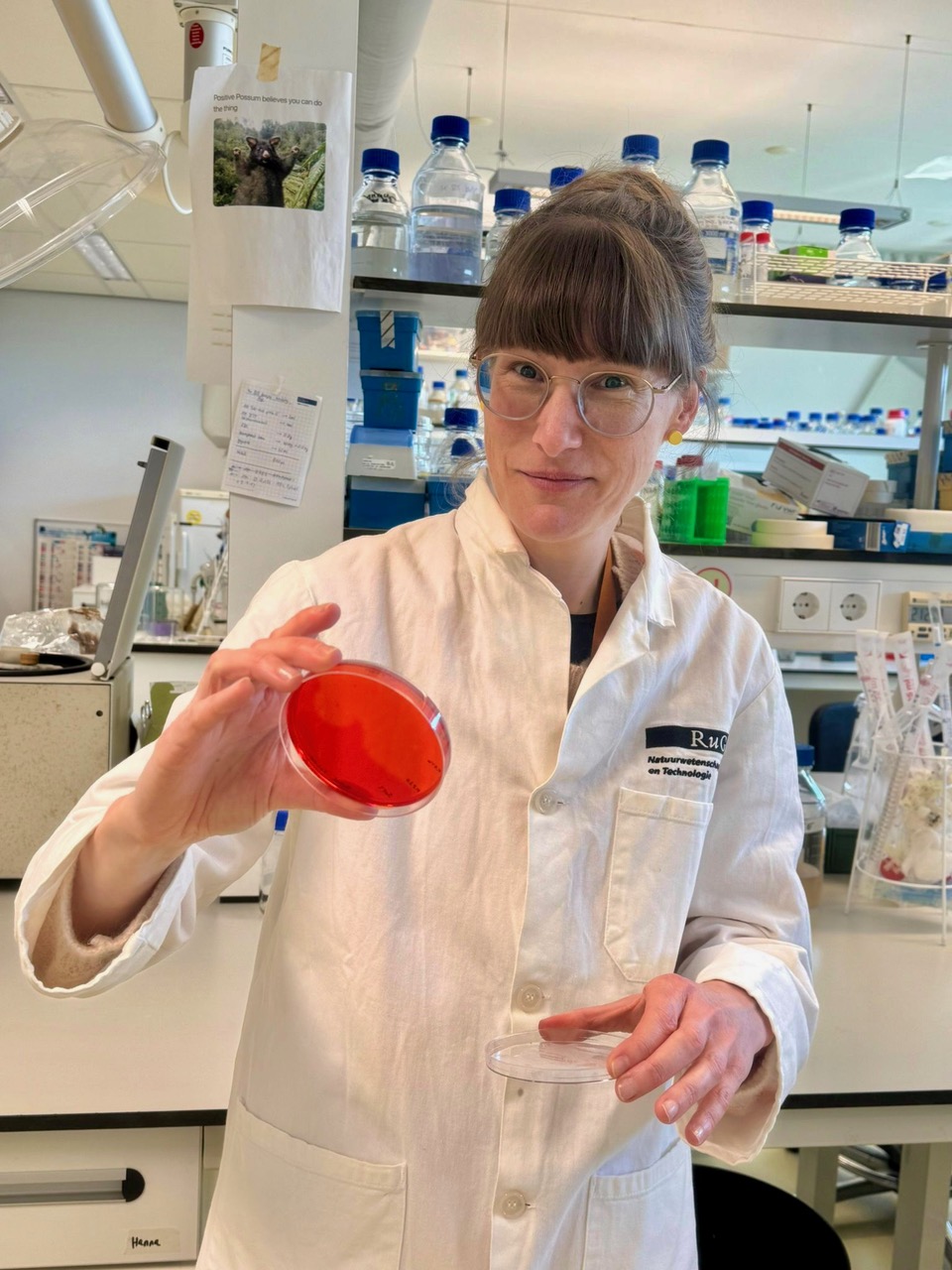
Dr Sonja Billerbeck
Antifungal Drugs
Sonja Billerbeck is an Associate Professor in the Department of Bioengineering at Imperial College London, where she leads a synthetic biology group addressing problems in human health, agriculture and the bioeconomy. She holds a Master’s degree from the University of Tübingen and a PhD from ETH Zürich, and undertook postdoctoral research at Columbia University before rising to Associate Professor at the University of Groningen, joining Imperial in January 2025. Her research targets antifungal resistance through the ‘yeast toxicome’, engineering yeast killer toxins as a new class of protein-based antifungals, alongside work on fungal G-protein coupled receptors as drug targets. She is Editor-in-Chief of Synthetic Biology.
Email: s.billerbeck@imperial.ac.uk
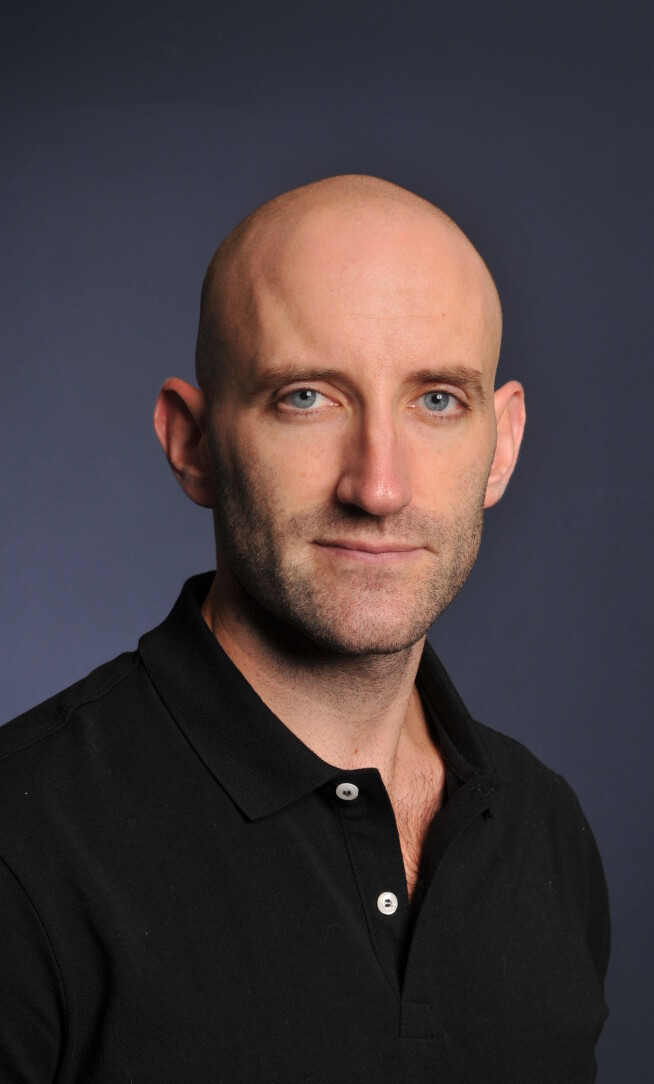
Dr Matthew Child
AMR
Antifungal Drugs
Matthew Child is an Associate Professor in the Department of Life Sciences at Imperial College London. The Child Lab applies functional genomics, protein engineering and chemical biology to understand the principles governing protein function, developing high-throughput genome engineering approaches to perturb proteins across diverse biological systems. Research interests span post-translational modifications, disease-associated variants, pathogens and host-pathogen interactions, with projects exploring antifungal targets and resistance, the protein grammar underlying fungal adaptation, and the evolution of protein function and allosteric networks. By integrating genetic perturbation with proteomic, structural and computational approaches, his group connects fundamental protein mechanisms to clinically important phenotypes in pathogens including Aspergillus fumigatus and Candida auris.
Email: m.child@imperial.ac.uk

Dr Meg Coleman
Diagnostics
Meg Coleman is a Consultant in Respiratory and General Medicine at Imperial College Healthcare NHS Trust and Honorary Clinical Senior Lecturer at Imperial College London. She trained in medicine at University College London, qualifying in 2002, before completing specialist training in Respiratory and General Internal Medicine in North West London, including a year working and teaching in Malawi. She joined Imperial College Healthcare as a consultant in 2017, working across St Mary’s and Hammersmith Hospitals. She leads the Fungal Respiratory Service and Fungal MDT, with a subspecialty clinical and academic interest in fungal lung disease, tuberculosis, bronchiectasis and pulmonary complications following stem cell transplantation.
Email: meg.coleman@nhs.net
Dr Ernesto Cota
Pathogenesis
Ernesto Cota’s research investigates the adhesion of microbial pathogens to host cells, a highly specific process essential for infection. His group studies microbial adhesins that mimic native host interactions, trigger signalling cascades and enable internalisation into target cells, making them important candidates for immunisation therapies, diagnostics and drug design. His work determines the structure of these molecules and their host-receptor complexes to understand how infection becomes established. Current projects focus on the human fungal pathogens Candida albicans and multidrug-resistant Candida auris, using biophysical techniques to characterise interactions with the serum proteome and developing cyclic peptides as diagnostic tools.
Email: e.cota@imperial.ac.uk
Professor Matthew Fisher
Pathogenesis
Diagnostics
Matthew Fisher is a Professor whose research applies an evolutionary framework to emerging pathogenic fungi affecting human, wildlife and plant health. His work explores how wildlife act as a ‘zoonotic pool’ for novel pathogens, and how human activity drives fungal disease through ecosystem disruption and selection for resistance. Using genomic, epidemiological and experimental analysis, his group uncovers the drivers of emerging infectious disease and develops new diagnostic and control methods. Matthew is a CIFAR fellow on ‘Fungal Kingdom: Threats and Opportunities’, leads the ‘Fungal Pathogens’ theme within the MRC Centre for Global Infectious Disease Analysis, and co-directs the Georgina Mace Centre for the Living Planet.
Professor Mark Gilchrist
AMR
Antifungal Drugs
Mark Gilchrist is a Consultant Pharmacist in Infectious Diseases at Imperial College Healthcare NHS Trust and Professor of Practice in the Department of Infectious Disease at Imperial College London. He directs the Trust’s antimicrobial stewardship programme and outpatient parenteral antimicrobial therapy service, and leads NHS precision prescribing for the NIHR Health Protection Research Unit in Healthcare Associated Infection and Antimicrobial Resistance. A Fellow of the Royal Pharmaceutical Society, he pioneered antifungal stewardship as a distinct discipline in UK pharmacy, co-developing cross-institutional frameworks and publishing widely cited reviews. He has co-authored a leading textbook on antimicrobial stewardship and advises nationally on precision anti-infective prescribing.
Email: m.gilchrist@imperial.ac.uk
Dr Haifa Lyster
Antifungal Drugs
Haifa Lyster is a Consultant Pharmacist in Transplantation and Mechanical Circulatory Support, and Clinical Research Facility Lead, at Harefield Hospital, part of the Royal Brompton and Harefield NHS Foundation Trust. She trained at the University of Bath and the London School of Pharmacy before joining Harefield in 1998, specialising in anti-infective and immunosuppression regimens for heart, lung and mechanical circulatory support patients. Her research addresses antifungal pharmacokinetics and drug monitoring in critically ill transplant patients, including drug sequestration during extracorporeal membrane oxygenation. An NIHR Senior Clinical and Practitioner Research Award now supports her work advancing personalised antifungal dosing at Harefield.
Email: haifa.lyster@rbht.nhs.uk
Professor Anna Reed
Pathogenesis
Anna Reed is a Consultant in Respiratory and Transplant Medicine at Harefield Hospital and Professor of Practice in Respiratory and Transplant Medicine at Imperial College London. She supports cardiothoracic transplant and mechanical circulatory support patients nationally, with clinical interests spanning fungal infection after lung transplantation, chronic lung allograft dysfunction and pulmonary arterial hypertension. Following a PhD at Imperial on PPAR-beta agonists, her collaboration with Darius Armstrong-James on host-pathogen interactions has been supported by two MRC Clinical Academic Research Partnership fellowships, using immunophenotyping to identify Aspergillus-related biomarkers. She now leads translational work developing blood-based biomarkers to guide antifungal therapy and personalise transplant management.
Email: anna.reed@rbht.nhs.uk

Dr Anand Shah
AMR
Immunology
Anand Shah is a Consultant Respiratory Physician at the Royal Brompton and Harefield NHS Foundation Trust and Honorary Clinical Senior Lecturer at Imperial College London. He trained in medicine at Imperial, where clinical exposure to fungal lung infection sparked a lasting academic interest in host susceptibility and translational strategies. His MRC Clinical PhD Fellowship investigated calcineurin inhibition and macrophage responses to Aspergillus fumigatus. His research spans pulmonary fungal disease, bronchiectasis and antimicrobial resistance. Dr Shah co-leads the MRC-funded BARRIER study and related trials, co-directs the Imperial Fungal Disease Network of Excellence, and chairs the European Respiratory Society AMR-Lung Clinical Research Collaboration.
Email: s.anand@imperial.ac.uk
Dr Aran Singanayagam
Pathogenesis
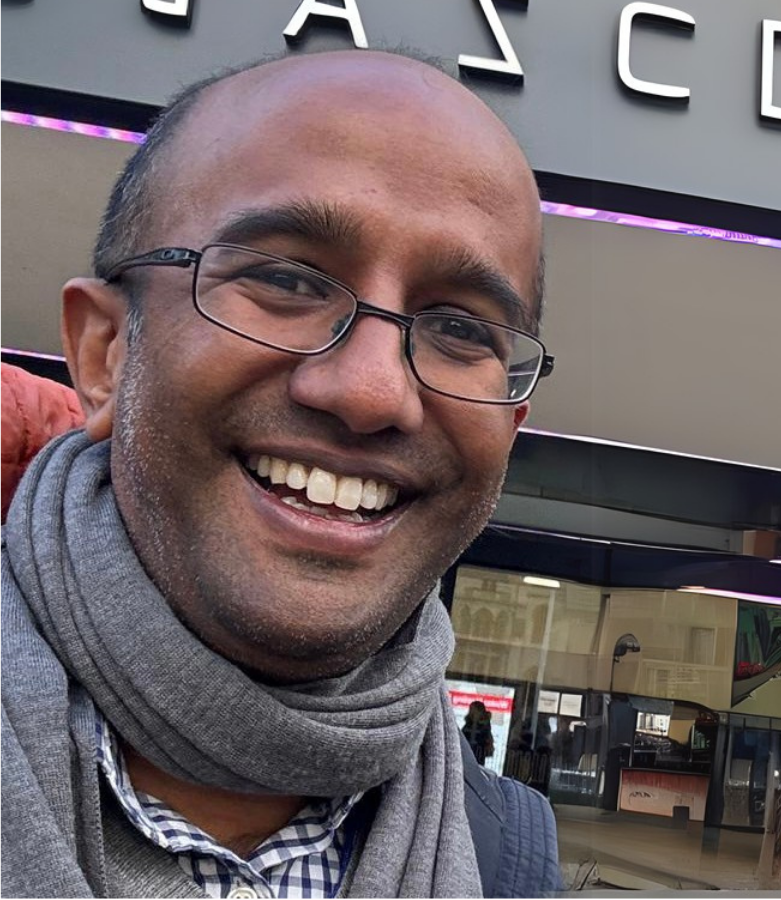
Aran Singanayagam is a Clinical Associate Professor in Respiratory Infection at Imperial College London, a Group Leader at the Centre for Bacterial Resistance Biology, and Consultant in Respiratory Medicine at the Royal Brompton and Harefield NHS Foundation Trust. Supported by Wellcome Trust and MRC fellowships, his research established the roles of type I interferon and corticosteroid-induced microbiota disruption in antibacterial immunity during COPD exacerbations. His group now studies commensal bacteria, viruses and fungi in pulmonary host defence and susceptibility to chronic lung disease. In 2026 he was named a Lister Prize Fellow, receiving £300,000 to investigate resident fungal commensals within the lung microbiome.

Dr Claire Stanley
Pathogenesis
Claire Stanley is an Associate Professor in the Department of Bioengineering at Imperial College London, where she leads the Microbiome, Microscopy and Microfluidics lab. She completed her PhD in Chemistry at Imperial and postdoctoral research at ETH Zurich, before securing a prestigious SNSF Ambizione Fellowship in 2016 to establish her own research team at Agroscope. She joined Imperial as a Lecturer in 2020. Her lab develops and applies microfluidic technologies at the interface of bioengineering, fungal science and fungal interactions. Claire also co-directs the Imperial Fungal Science Network, supporting cross-disciplinary collaboration in fungal research across the College.

Professor Ed Tate
Antifungal Drugs
Ed Tate holds the GSK Chair in Chemical Biology at Imperial College London and is a Group Leader at the Francis Crick Institute. His research combines chemical biology, proteomics and drug discovery to understand disease mechanisms and identify new therapeutic opportunities. The Tate lab develops technologies to map protein function and druggability, discover small-molecule and covalent ligands, and validate novel therapeutic targets, with particular strengths in chemical proteomics, protein lipidation and antimicrobial drug discovery. MYCO-DTP projects could apply these approaches to fungal pathogenesis, resistance mechanisms, target discovery and pharmacology, offering clinically trained researchers opportunities to develop new tools and therapeutic strategies for invasive fungal disease.
Email: e.tate@imperial.ac.uk
Dr Margherita Bertuzzi
Pathogenesis
Immunology
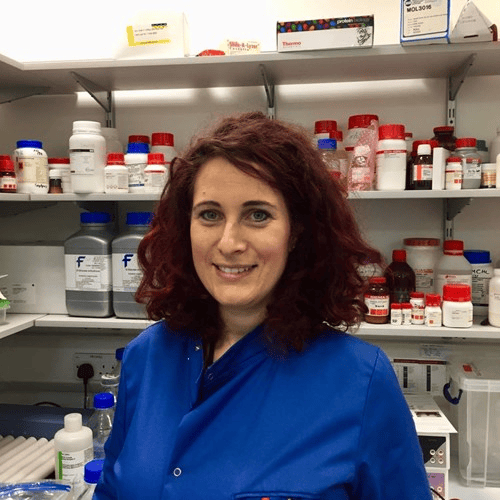
Margherita Bertuzzi, Co-Director of the Manchester Fungal Infection Group (MFIG), is a molecular microbiologist specialising in fungal infection biology. Her research investigates how respiratory epithelial cells interact with inhaled fungal pathogens and how these interactions are altered in diseases such as COPD, a major risk factor for fungal lung disease, with the aim of identifying opportunities for therapeutic intervention. Since establishing her research group at the University of Manchester in 2020, she has secured an MRC New Investigator Research Grant (2021) and, in 2025, Wellcome funding with Dr Becky Hall (University of Kent) to investigate fungal adaptation and pathogenesis
Dr Michael Bottery
AMR
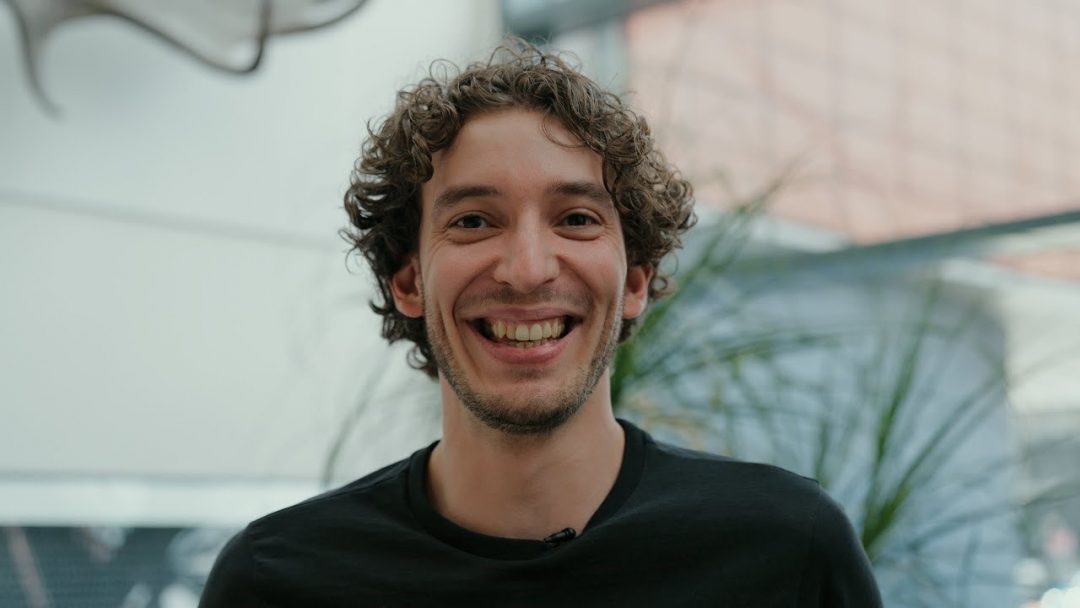
I am an evolutionary microbiologist focused on understanding the ecological and evolutionary selective drivers of antimicrobial resistance (AMR) in fungal pathogens. My work aims to explore how the genomic context of a pathogen interacts with its environment to alter the evolution and spread of AMR within fungal populations. My current work focuses on the evolution of AMR within the human fungal pathogen Aspergillus fumigatus: how resistance arises within individuals and populations, the molecular mechanisms of resistance, and the environmental selective drivers of resistance. I use a combination of mathematical and computational modelling, experimental evolution, and molecular microbiology to investigate the selective dynamics and trajectories of AMR evolution.
Professor Mike Bromley
AMR
Diagnostics
Antifungal Drugs
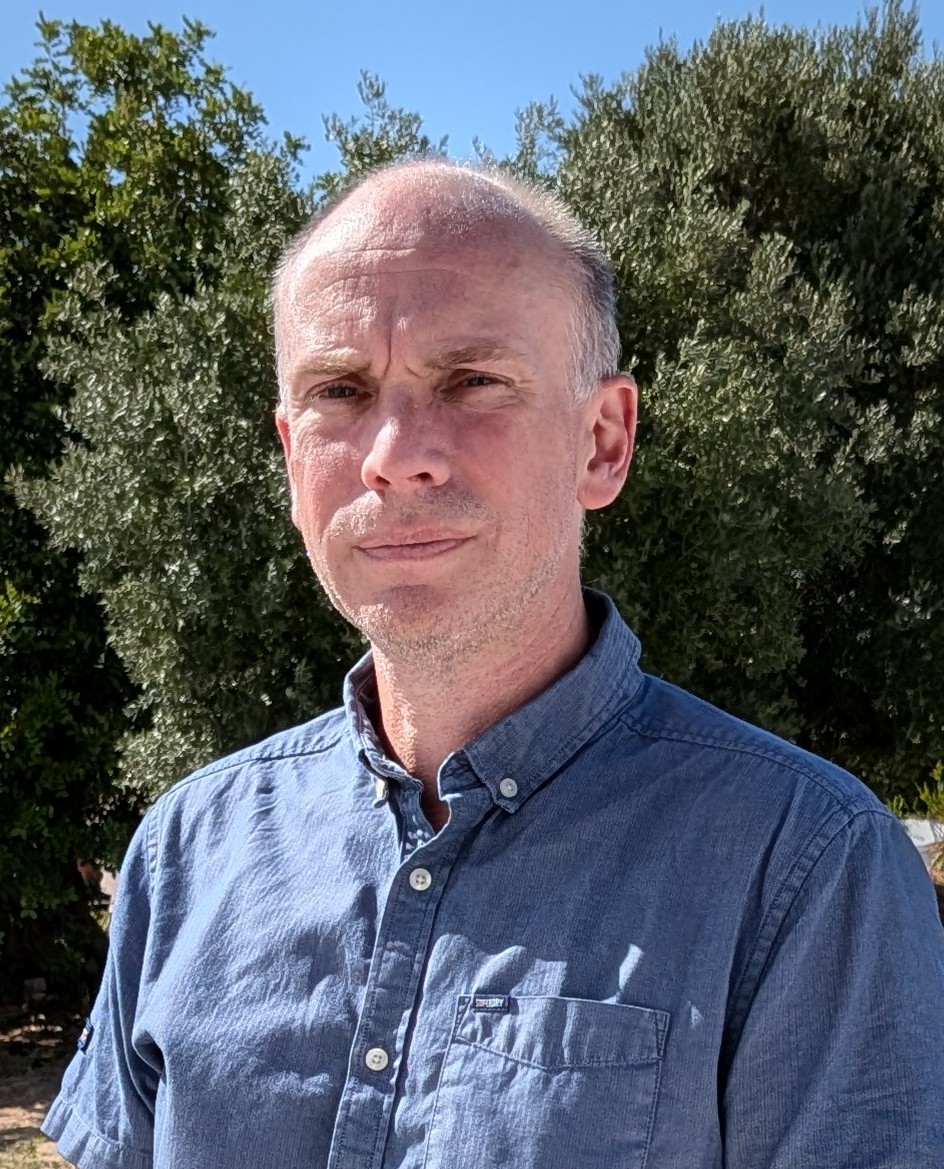
Mike is a fungal geneticist and molecular microbiologist at the University of Manchester. His research seeks to understand how fungal pathogens evolve, adapt, and cause disease, with a particular focus on Aspergillus species. The group combines genetics, functional genomics, molecular biology, experimental evolution, and bioinformatics to investigate antifungal drug resistance, fungal genome evolution, and host-pathogen interactions. Current projects explore how environmental pressures, including antifungal use and climate change, shape fungal adaptation and pathogenicity. Research in the lab spans fundamental biology through to clinically relevant studies, providing students with opportunities to work across microbiology, genomics, evolution, and infectious disease research.
Professor David Denning
AMR
Diagnostics
Antifungal Drugs
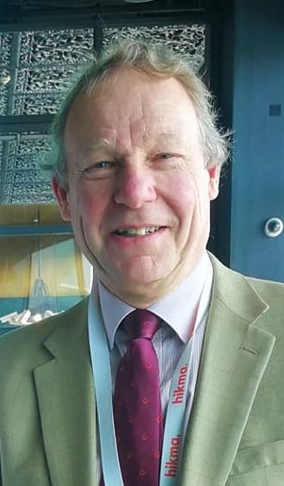
David Denning trained in clinical infectious diseases and microbiology, with a special interest in fungal disease. He founded and served as Chief Executive of Global Action for Fungal Infections (GAFFI) an international advocacy NGO (2013-2023). His main focus is aspergillosis, burden of fungal disease, antifungal resistance and improving the clinical use of diagnostics and antifungals to improve patient outcomes. He has published extensively and is a highly cited author. He has a global network of collaborators.
Email: ddenning@manchester.ac.uk
Professor Tim Felton
Diagnostics
Antifungal Drugs
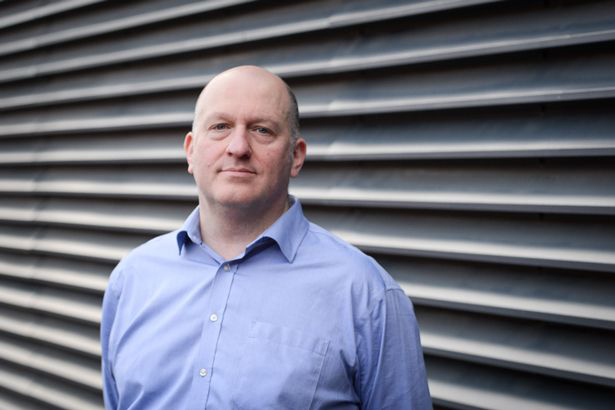
Tim Felton is Professor of Respiratory and Critical Care Medicine in the Division of Infection, Immunity and Respiratory Medicine at the University of Manchester and Honorary Consultant in Intensive Care and Respiratory Medicine at Wythenshawe Hospital part of Manchester University NHS Foundation Trust. He is Director of the NIHR HealthTech Research Centre in Emergency and Acute Care (https://hrc-emergency.nihr.ac.uk/) and an Associate Medical Director for Research and Innovation. He qualified in medicine in 1999 at the University of Nottingham. Dr Felton undertook his training in Respiratory and Intensive Care Medicine in the Northwest of England and in Sydney, Australia. He completed an MRC Clinical Research Training Fellowship and was awarded his PhD in anti-infective pharmacology by The University of Manchester in 2014. His research interests are in developing diagnostic-led antimicrobial stewardship and precision medicine strategies for patients with respiratory tract infection and sepsis to improve clinical outcomes and suppress emergence of antimicrobial resistance.

Dr Sara Gago
Pathogenesis
Diagnostics
Immunology
I am a Lecturer in Fungal Disease Biology. My research aims to improve outcomes for patients with fungal disease by bridging basic science and clinical medicine. My work has focused on the development of fungal diagnostics, biomarkers and patient risk-stratification approaches, helping to identify individuals most at risk of invasive infection. Building on this translational foundation, my laboratory investigates the biological mechanisms that underpin fungal disease, including host-pathogen interactions, immune responses and the impact of viral and bacterial co-infections on susceptibility to Aspergillus fumigatus. By integrating clinical and laboratory research, we seek to develop new diagnostic, prognostic and therapeutic approaches that directly address unmet clinical needs in infectious diseases.
Email: sara.gago-2@manchester.ac.uk
Dr Chris Kosmidis
AMR
Pathogenesis
Immunology
Antifungal Drugs
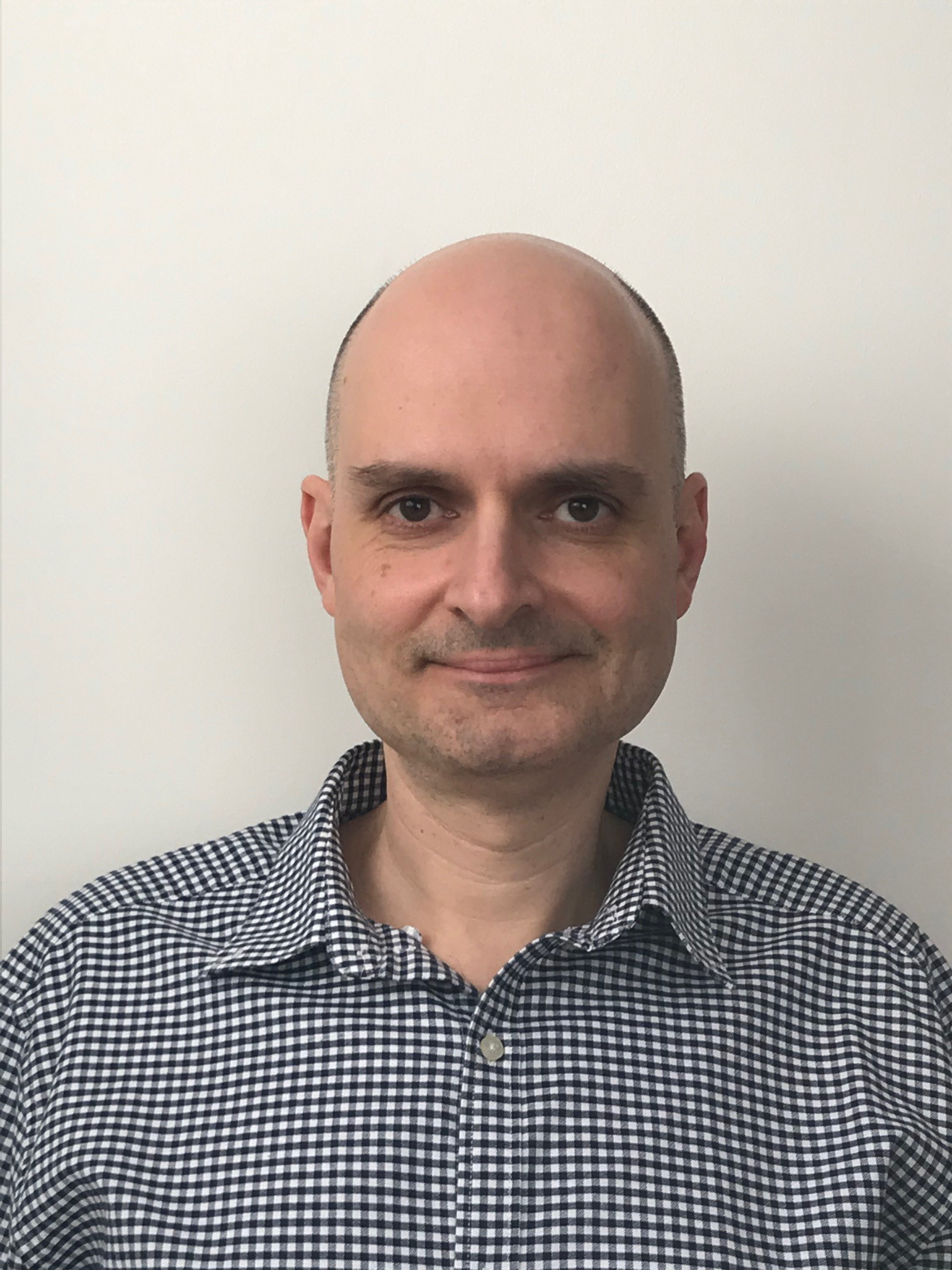
Chris Kosmidis is a Senior Lecturer, Infectious Diseases Consultant and Clinical Lead of the National Aspergillosis Centre, Manchester. His research focuses on fungal respiratory disease, particularly chronic pulmonary aspergillosis, allergic bronchopulmonary aspergillosis, the role of Aspergillus in COPD and bronchiectasis, and the health effects of environment mould exposure. His main interests are clinical epidemiology, pathogenesis of aspergillosis, immune response to fungal infection, antifungal therapeutics, antifungal resistance and immunotherapeutics. He is leading clinical trials of immunotherapy and novel antifungal agents in chronic pulmonary aspergillosis. He welcomes PhD students interested in clinically relevant, multidisciplinary research with direct potential to improve patient care.

Professor Alan McNally
AMR
Diagnostics
Alan McNally is a microbiologist and microbial genomicist whose research focuses on the evolution, emergence, and transmission of pathogens across human, animal, and environmental reservoirs. His work combines comparative genomics, population genetics, epidemiology, and bioinformatics to understand how microbial populations adapt, acquire antimicrobial resistance, and spread through complex ecosystems. Although primarily known for studies of bacterial pathogens, his broader interest lies in using large-scale genome data to uncover evolutionary processes that shape microbial communities and host interactions. He is particularly interested in developing genomic approaches that bridge fundamental evolutionary biology with translational applications in infectious disease surveillance and control.

Dr Riina Rautemaa-Richardson
AMR
Diagnostics
Antifungal Drugs
Dr Richardson is the Clinical Head of Service for the Mycology Reference Centre Manchester and a member of the Infectious Diseases team. She is an internationally recognised expert, senior researcher, educator and clinician in the field of fungal infectious diseases. She is an academic clinician who has published over 200 peer-reviewed articles and books or book chapters in the field of medical microbiology, medical mycology, mucosal immunology, infectious diseases and oral medicine, and has an h-index of 62.
Dr Rautemaa-Richardson has special expertise in the diagnosis and management of a superficial and systemic of mycoses including those in compromised patients. She also has expertise in antimicrobial stewardship and infection prevention. She is an author of the ECMM/ISHAM Candidiasis and Rare yeasts global guidelines as well as the BASHH guideline on Vulvovaginal candidiasis. She is the Chair of the UK SMI Bacteriology Working Group and the President for the British Society for Medical Mycology. She has years of editorial experience and is currently a Senior Editor for the Journal of Antimicrobial Chemotherapy.
Email: riina.richardson@manchester.ac.uk

Dr Raveen Tank
Pathogenesis
Diagnostics
Dr Raveen Tank is a biophysicist and Dame Kathleen Ollerenshaw Fellow at the Manchester Institute of Biotechnology. Her research develops bespoke microfluidic organ-on-chip platforms to model host-microbiome interactions, with a particular focus on the vaginal and gynaecological microenvironment. Combining super-resolution imaging with in vitro disease modelling, she builds accessible, patented microfluidic systems (via her spin-out, InViFlo) capable of capturing multi-organ and host-pathogen dynamics relevant to infection and disease. She also founded and leads the Women’s+ Health Network, a cross-institutional research group. She is keen to supervise projects applying organ-on-chip approaches to fungal pathogenesis and diagnostics.
Email: raveen.tank@manchester.ac.uk

Professor Nelesh Govender
AMR
Diagnostics
Antifungal Drugs
Nelesh Govender is a medical mycologist and Professor/ Director of Wits Mycology (www.witsmycology.co.za) at the University of the Witwatersrand, South Africa. He is an Honorary Professor at City St George’s and Exeter. He works mostly on cryptococcal disease, candidaemia and endemic mycoses. His research spans clinical trials, public health, epidemiology, diagnostics, genomics and fungal AMR. MycoDTP PhD projects could be nested within any of the large ongoing projects within Wits Mycology (https://www.witsmycology.co.za/project-overview/).
Email: nelesh.govender@wits.ac.za
Dr J. Claire Hoving
Immunology
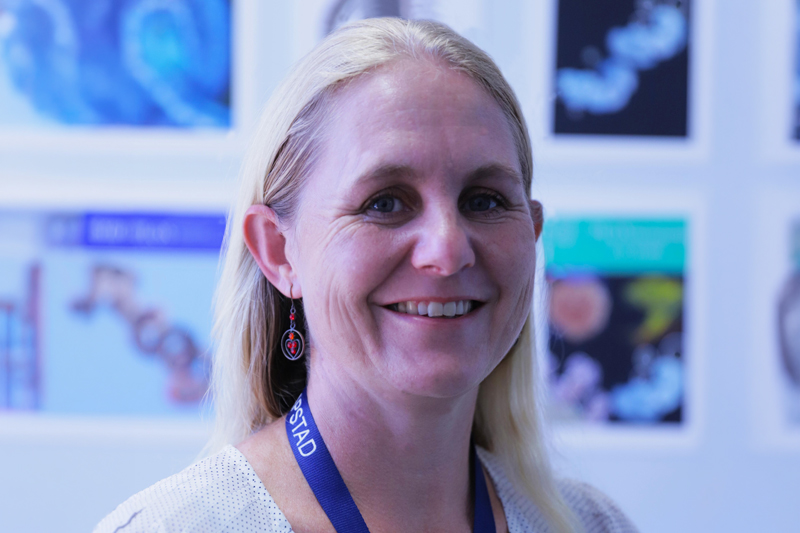
Dr J. Claire Hoving is an Associate Professor at the University of Cape Town and Wellcome Trust Intermediate Fellow in Public Health and Tropical Medicine and Senior Lecturer in the Division of Immunology, whose research aims at understanding host immune responses to HIV-related fungal infections. As an Associate Member of the Institute of Infectious Disease and Molecular Medicine and a contributing investigator of the Wellcome Centre for Infectious Diseases Research in Africa, her current major focus is understanding the immune response to Pneumocystis jirovecii, which is a common cause of pneumonia and death in patients with HIV/AIDS in Africa and which is estimated to kill over 250 000 worldwide every year.
Email: jennifer.hoving@uct.ac.za